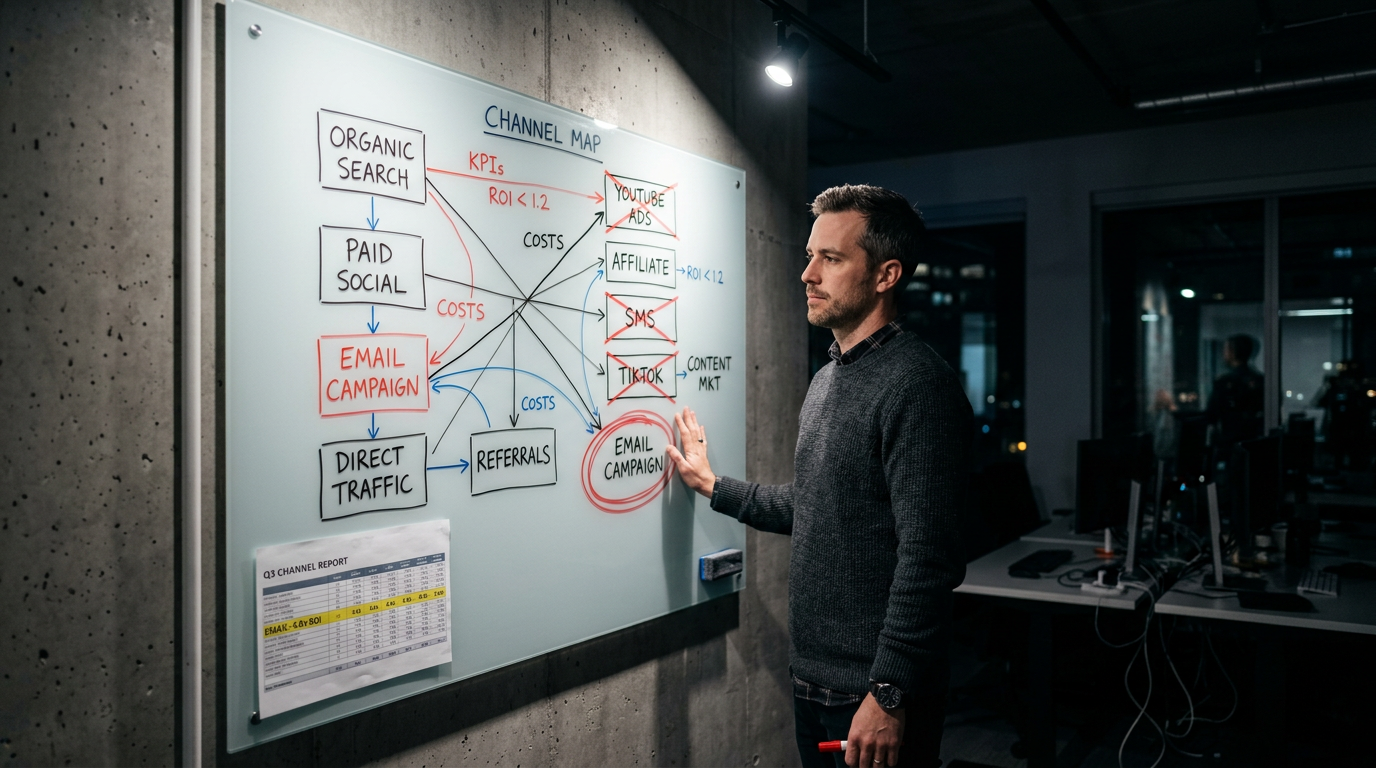


Most e-commerce brands pour everything into acquisition. The ad spend, the creative testing, the landing page optimization. And then the customer buys, and the brand goes quiet.
That silence is where LTV goes to die.
When I joined a fast-growing consumer wellness brand as Head of Marketing, the purchase flow was working. Customers were converting. But the moment someone completed a transaction, they fell into a void. No structured follow-up. No education. No reinforcement. Just a receipt email and a hope they’d come back.
They weren’t coming back at the rate they should have been.
The Problem With Treating a Sale as a Destination
Here’s what most brands get wrong: they think the job of marketing ends when the customer checks out. It doesn’t. That’s actually when the most important marketing starts.
A first-time buyer hasn’t committed to you yet. They’ve made a single decision under a specific set of circumstances. Maybe they saw a good ad. Maybe a friend mentioned it. Maybe they were just in the right headspace that day. You haven’t earned loyalty. You’ve earned a trial.
The post-purchase window — roughly the first 7 to 14 days — is the highest-leverage period you have. The customer’s attention is on the product. They’re using it, forming an opinion, deciding whether it was worth it. If you’re not in that conversation, someone else is. A competitor’s retargeting ad. A bad review they stumbled across. Their own doubt.
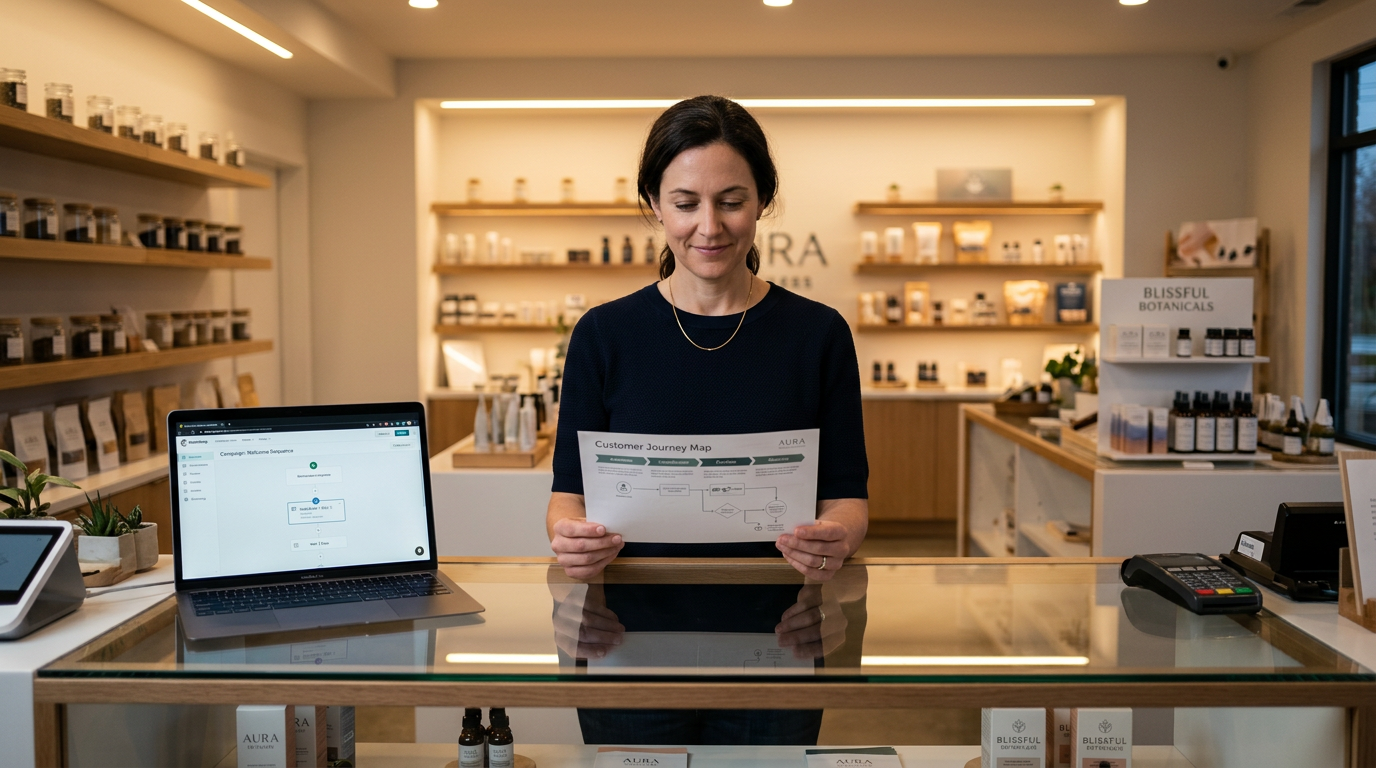
I built a post-purchase automation system in Klaviyo designed to own that window completely.
What the Retention Engine Actually Did
The flows weren’t generic “thanks for your purchase” sequences. They were built around three specific jobs.
First: education. I made sure every new customer understood exactly how to use the product to get the best result. This sounds obvious. It’s almost never done well. When a customer doesn’t see results, they don’t blame themselves — they blame the product. Teaching them the right usage pattern before that doubt sets in is one of the highest-ROI things you can do in post-purchase marketing.
Second: purchase validation. People experience buyer’s remorse. It’s real and it’s immediate. The automation addressed it directly, using strong reviews, before-and-after comparisons, and a specific competitive angle: our product offered full-day relief, while most competitors were positioned around a 4-hour window. That’s not just a feature. It’s a reframing of value. It gave customers a concrete reason to feel good about what they’d chosen.
Third: referral activation. Happy customers who’ve just been educated and validated are the most likely to refer. The flows made it easy and gave them a reason to do it. Not a generic “tell a friend” prompt — a specific ask tied to the moment when their confidence in the product was highest.
The results were clear. One in two first-time buyers purchased at least one additional product. Nearly one in three bought the exact same product again. LTV increased by close to 300% year over year. That retention engine became a core part of the company’s value story, and it contributed directly to an acquisition by the largest player in the industry.
Why Wayflyer’s $1.5B Bet Makes This More Relevant, Not Less
Wayflyer just secured a $1.5 billion forward-flow agreement with Fortress Investment Group. The capital is designed to fuel e-commerce growth — giving brands the cash to scale inventory, expand into new markets, and move faster.
That’s a significant signal. Smart money is still betting on e-commerce growth. But capital without retention infrastructure is just a faster way to burn acquisition budget.
More inventory means more first-time buyers. More first-time buyers means more post-purchase windows. If those windows aren’t structured, the growth that capital funds will be shallow. High revenue, low margin, poor LTV, and a customer base that churns as fast as it’s acquired.
The brands that will get the most out of a funding environment like this aren’t just the ones with the best acquisition channels. They’re the ones that convert a first purchase into a second, and a second into a habit.
The sale is not the end of the funnel. It’s the start of the retention loop. Build the loop before you scale the spend.